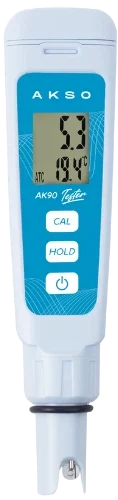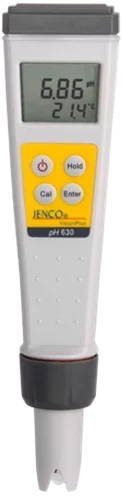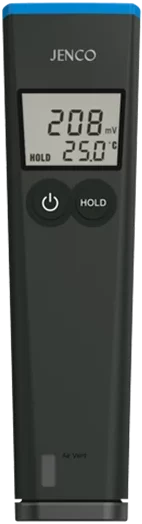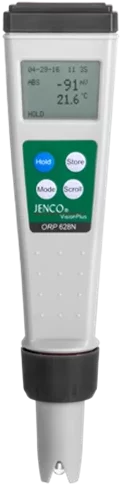
pH/ORP METERS

pH meter is a scientific instrument that measures the acidity or alkalinity of a liquid (or semi-solid, with specialized electrodes) and displays the result as a pH value, typically on a scale of 0 to 14. These devices are used across various applications, from testing pool water to quality control in food production and laboratory research.
An ORP meter is an electronic device that measures the Oxidation-Reduction Potential (ORP), also known as redox potential, of a solution in millivolts (mV). This measurement indicates the solution's ability to oxidize (accept electrons) or reduce (donate electrons) other substances, providing insights into its water quality and sanitation levels. 

How pH meters work

A pH meter works by measuring the electrical potential (voltage) generated by a solution and converting that measurement into a pH value. This process is called potentiometry and relies on a specialized probe containing two electrodes. 
The Measurement Process

    1. Immersion: When the pH probe is submerged in the solution being tested, the outer surface of the glass membrane comes into contact with the sample's hydrogen ions (H⁺).
    2. Ion Exchange: An ion exchange process occurs on both the outer and inner surfaces of the glass membrane. Hydrogen ions in the sample migrate into the outer layer of the glass, replacing some of the metal ions (like sodium or lithium) in the glass structure.
    3. Voltage Generation: Because the concentration of hydrogen ions inside the glass (from the internal buffer solution) is different from that in the sample solution outside, a tiny electrical potential (voltage) is created across the glass membrane. The magnitude of this voltage changes with the pH of the sample.
    4. Comparison and Display: The meter measures the difference in voltage between the measuring electrode (which has a variable potential) and the stable reference electrode. The meter then uses this voltage difference to calculate and display the corresponding pH value on its screen. A higher voltage indicates more hydrogen ions (lower pH/more acidic), and a lower voltage indicates fewer hydrogen ions (higher pH/more alkaline).

How ORP meters Work

An ORP meter uses an ORP electrode (typically made of an inert noble metal like platinum or gold) and a reference electrode. When immersed in a solution, the ORP electrode either accepts or donates electrons until it develops an electrical potential equal to the solution's ORP. The meter then measures the potential difference between the ORP and reference electrodes and displays it as a voltage reading in mV. 
  • Positive ORP values indicate an oxidizing environment, which is typically associated with a higher presence of disinfectants like oxygen or chlorine and generally healthier water in applications like swimming pools.
  • Negative ORP values indicate a reducing environment, which means the solution is more likely to donate electrons and may contain contaminants or decaying matter. 

Key Features to Consider when choosing a meter

  • Automatic Temperature Compensation (ATC): This feature automatically corrects pH/ORP readings for temperature variations, which is important because temperature affects the pH/ORP of a solution.
  • Replaceable Probes: Higher-end models often allow for the replacement of the probe (electrode) when it wears out, which saves money long-term as you don't need to replace the entire unit.
  • Accuracy: Consider the required precision; laboratory and industrial applications may need a very precise reading, while domestic, agricultural use might require less precise readings.
  • Application-Specific Probes: Specialized probes exist for measuring various substances which have different requirements than liquid testing.
  • Calibration: Meters need regular calibration with buffer solutions of known pH/ORP values to maintain accuracy. 

Pocket/Pen pH Testers

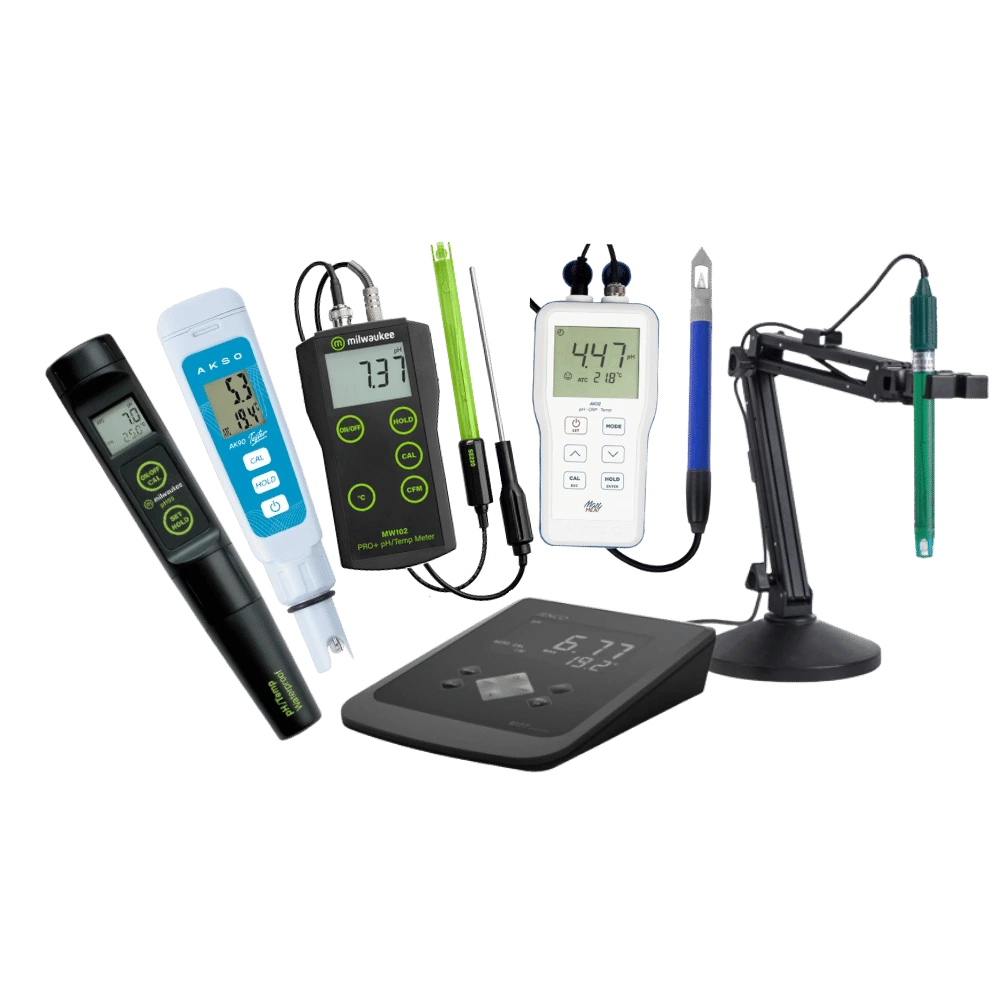
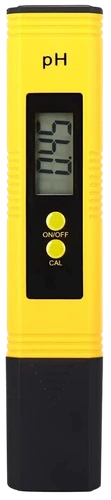
pH02 JC610N pH51 pH54 pH55 AK90
pH56 JC630 JC650N JC628N pH58    

Portable pH Meters


MW100 MW101 MW102 AK110 MW102F AK111


AK112 JC6011 MW105 MW106 AK108

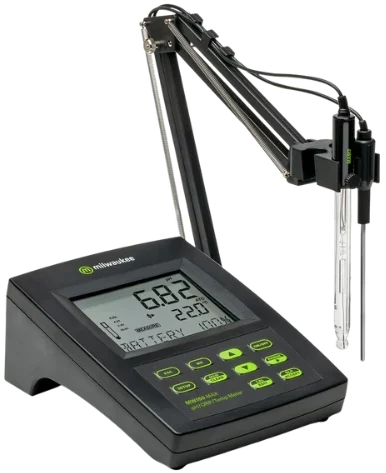
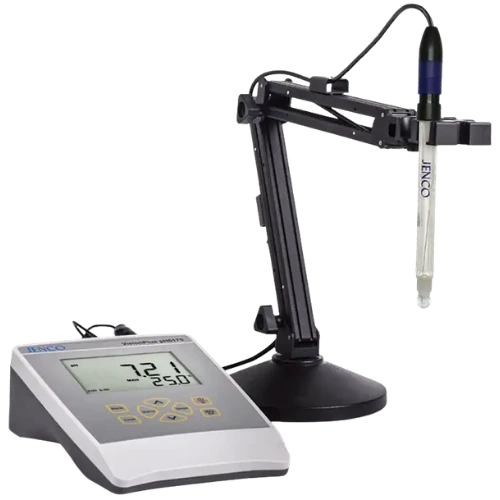
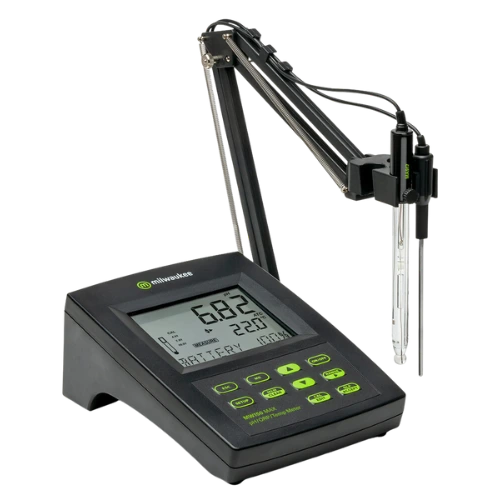
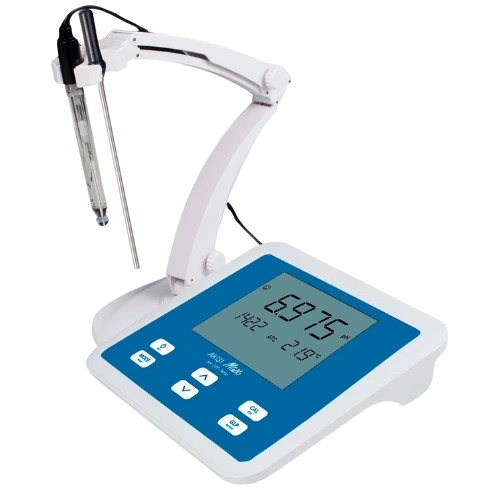
Bench pH Meters

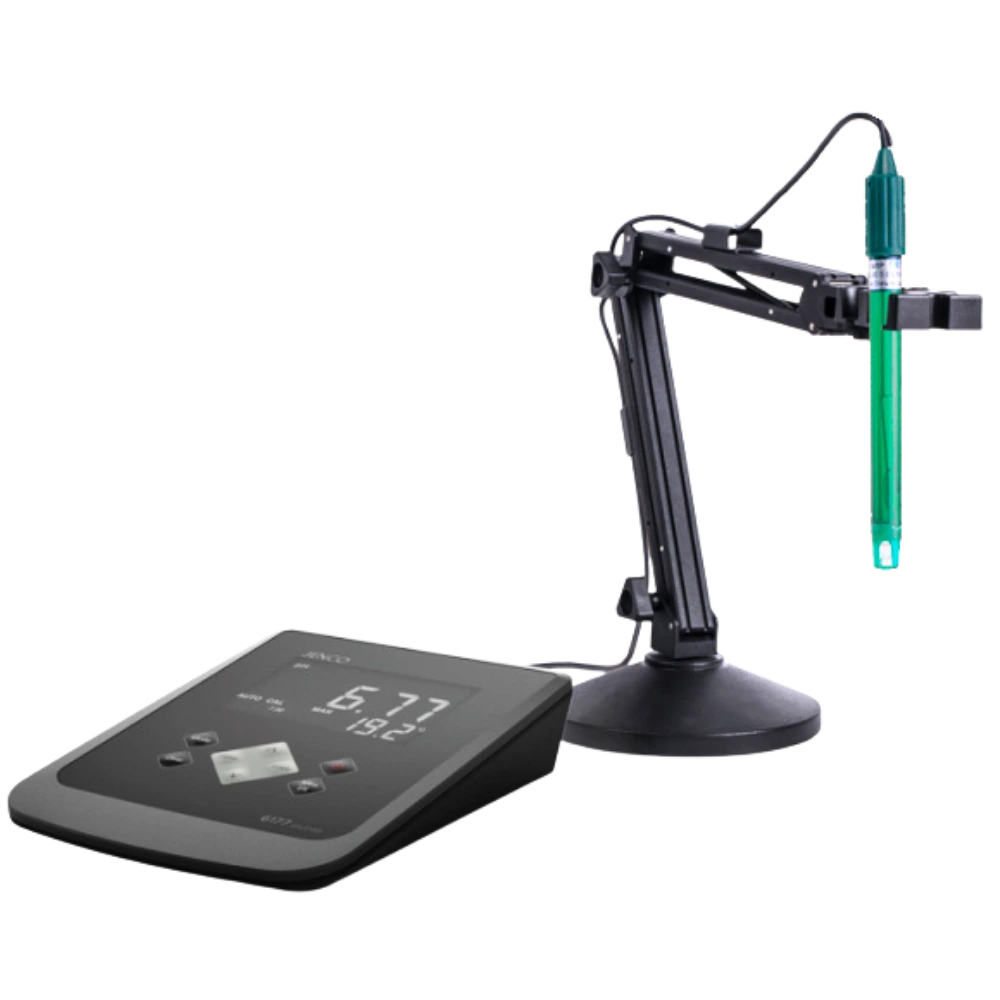
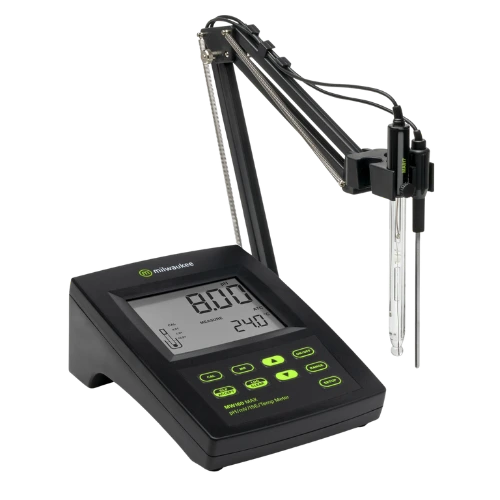
MW150 JC6175KA AK130 MW151 AK131 JC6177M JC6179M MW160
info@spraytech.co.za
(541) 754-3010
1236, Melville Road, Los Angeles, CA 67890
Visit our FacebookVisit our InstagramVisit our Twitter
Contact Us
Copyright © Soflyy
Proudly designed with Oxygen, the world's best visual website design software
phone-handset linkedin facebook pinterest youtube rss twitter instagram facebook-blank rss-blank linkedin-blank pinterest youtube twitter instagram